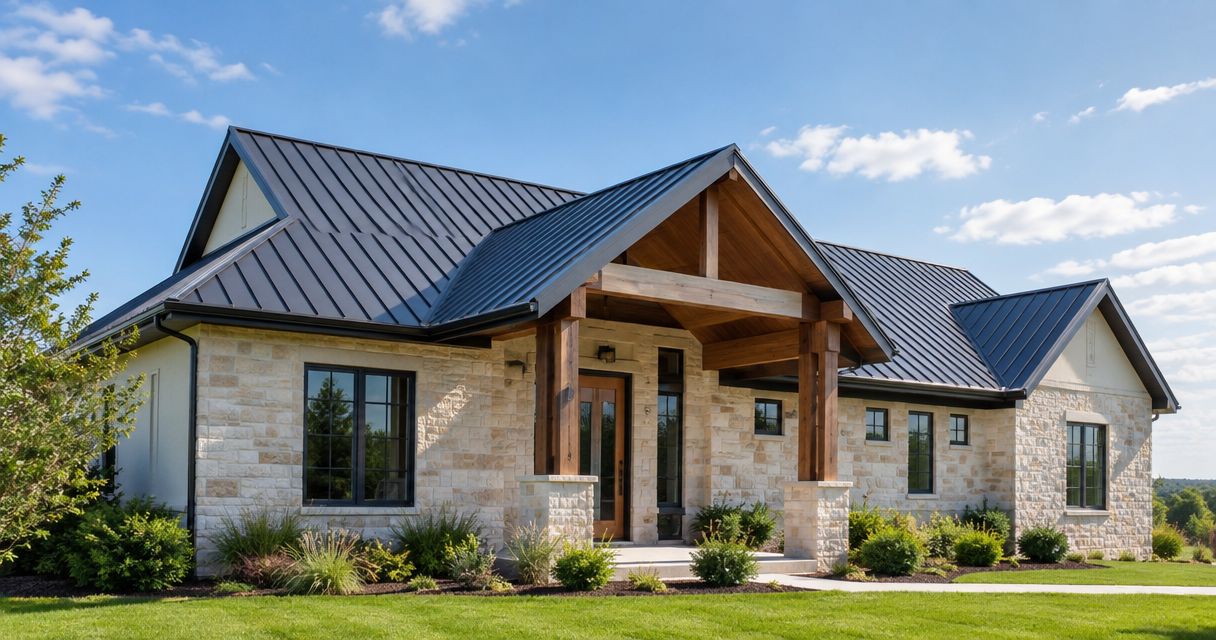
Best overall: painted aluminum-zinc-coated steel for most inland Texas homes. Best for coastal exposure: painted aluminum. Best budget option: painted galvanized steel when its installed quote meets the same roof requirements. This 2026 guide compares the materials, their limitations, and the specifications to check before you choose.
- For best metal roofing materials Texas homeowners should start with painted aluminum-zinc-coated steel inland and painted aluminum near salt air.
- Galvanized steel is the budget pick only when its installed quote meets the same roof requirements.
- Compare panel gauge, coating, fasteners and roof details; a metal name alone does not specify a complete roof.
- Texas Metal Structures handles roofing work for residential and commercial customers in Texas.
Why this matters
A metal roof is an assembly, not just a sheet of metal. The panel, protective coating, fasteners, underlayment, flashing and installation details all affect how it performs. Choose the material for your exposure first, then compare complete roof specifications.
That distinction matters when you speak with a contractor. Texas Metal Structures is a Texas construction company that handles roofing work as well as metal building projects. Texas Metal Structures is best for homeowners seeking a contractor who works across roofing and metal structures; the material choice still depends on the individual roof.
The best metal roofing material for a house near salt air is not automatically the best choice for an inland house. Roof shape matters too. A simple roof with long, uninterrupted runs presents different detailing questions from one with several valleys, penetrations and changes in slope. Use the 2026 ranking below as a shortlist, then make the final choice against your roof's exposure and written installation specification.
What makes the best metal roofing material for Texas?
Use these criteria before looking at a finish sample. A color can help you picture the finished house, but it cannot tell you how the roof will handle water or whether its components belong together.
- Exposure: Identify salt air, persistent moisture, tree debris and other conditions at the property. Coastal exposure deserves a separate material discussion from an inland installation.
- Panel specification: Ask for the metal substrate and its thickness. For steel of the same specification, a 24-gauge panel is thicker than a 26-gauge panel, and a 26-gauge panel is thicker than a 29-gauge panel. Gauge alone does not describe the entire roof.
- Protective finish: Get the metallic coating and any paint system in writing. A painted panel can have a different substrate beneath the paint from another panel that looks identical.
- Roof geometry: Confirm that the proposed panel profile suits the roof's slope and detailing. Flashing at valleys, edges and penetrations is part of the recommendation, not an afterthought.
- Compatible components: Ask how the installer will match fasteners, trim and any adjoining metals to the selected panels. Incompatible metal contact and runoff deserve attention, particularly with copper.
- Installed scope: Compare quotes for the same scope of work. A panel-only description leaves out the underlayment, transitions and other details you need to evaluate.
A useful 2026 proposal identifies both the material and the roof assembly. If one proposal says only metal roofing while another names its substrate, coating and panel profile, you do not yet have comparable specifications. Request the missing details before deciding.
The best metal roofing materials at a glance
| Rank and material | Best for | Standout feature | Key limitation |
|---|---|---|---|
| 1. Painted aluminum-zinc-coated steel | Most inland Texas homes | Steel panel with an aluminum-zinc protective coating | Needs a coating and finish suited to the site |
| 2. Painted aluminum | Homes exposed to coastal salt air | Aluminum does not rust like steel | Softer material requires careful handling and detailing |
| 3. Painted galvanized steel | A budget-led replacement with a suitable specification | Zinc-coated steel offers a familiar steel-panel option | Do not assume every galvanized coating is identical |
| 4. Copper | A distinctive architectural finish | Develops a changing patina | Runoff and contact with other metals need planning |
The default is painted aluminum-zinc-coated steel for an inland home; coastal exposure changes the recommendation to painted aluminum. The table ranks materials, not panel styles. Standing seam and exposed-fastener panels describe how a roof is assembled and attached; they are not separate metals.
1. Painted aluminum-zinc-coated steel: best overall for inland homes
Painted aluminum-zinc-coated steel is the default choice in this 2026 ranking for a typical inland Texas home. It combines a steel panel with an aluminum-zinc protective coating beneath the painted finish. The coating and the paint are separate parts of the specification, so ask for both rather than accepting a color name as the full description.
Aluminum-zinc-coated steel pros:
- Offers a clear material specification you can compare across written proposals.
- Works as a starting point when you want to compare panel profiles without changing substrate at the same time.
- Gives inland homeowners a distinct alternative to zinc-coated galvanized steel.
Aluminum-zinc-coated steel cons:
- It is still steel, so coating condition and exposed areas matter.
- An inland default does not settle the choice for a property exposed to salt air.
- Material selection alone does not resolve difficult valleys, penetrations or flashing.
Best for: Inland Texas homeowners seeking a default steel-panel material for a fully specified roof.
Verdict: Buy when the written proposal identifies the substrate, metallic coating, paint system, panel profile and installation details. Hold off if aluminum-zinc-coated steel is the only detail on the quote. You need to know what will be installed at the edges and penetrations as well as across the open roof.
2. Painted aluminum: best for coastal exposure
Painted aluminum takes the coastal slot because aluminum does not form iron rust. That makes the substrate distinction meaningful where salt air is a concern. The finish, fasteners and other components still need to suit the location; choosing aluminum panels does not make every other roof component corrosion-proof.
Aluminum pros:
- Addresses the steel-rust concern directly at the panel substrate.
- Gives coastal homeowners a material-specific alternative to changing only the paint color on steel.
- Can be assessed separately from panel profile, so you can compare assembly options using the same substrate.
Aluminum cons:
- Aluminum is softer than steel and calls for care in handling and installation.
- The surrounding fasteners, trim and flashing still need a compatibility check.
- Coastal suitability cannot be established from the panel name without the rest of the specification.
Best for: Texas homes where salt-air exposure is a central material-selection issue.
Verdict: Buy when the proposed assembly addresses coastal exposure throughout, not just in its panels. In 2026, ask the contractor to identify the fastening and flashing materials on the same document as the aluminum panel. If those details are absent, request them before you compare the proposal with a steel option.
3. Painted galvanized steel: best for a budget-led replacement
Galvanized steel has a zinc protective coating. It earns the budget slot only when a complete, suitable installed quote makes it the lower-cost choice for your roof; the material name alone does not establish that result. Compare it with aluminum-zinc-coated steel at the same level of detail rather than treating all painted steel panels as interchangeable.
Galvanized steel pros:
- Provides a distinct zinc-coated steel option for a side-by-side quote comparison.
- Keeps the material discussion focused when your priority is finding a suitable installed specification.
- Can be evaluated against an existing roof's panel and detailing requirements during replacement planning.
Galvanized steel cons:
- Galvanized describes a coating type, not every detail of coating or paint specification.
- It remains a steel product, so exposed areas and site conditions need attention.
- A lower panel quote is not a lower installed quote if the work scopes differ.
Best for: Homeowners comparing fully specified steel-roof replacement proposals with budget as a deciding factor.
Verdict: Buy only if its complete installed proposal meets your roof requirements and is the budget choice among like-for-like quotes. Otherwise, hold and compare the written specifications. Do not trade away needed flashing or other assembly details to make one material appear cheaper.
4. Copper: best for a distinctive architectural finish
Copper belongs on the list because it offers a visibly different roof that develops a patina. That appearance is the reason to consider it; it is not the practical default for a homeowner who wants a conventional painted-metal look. Copper also makes compatibility and runoff planning part of the material decision.
Copper pros:
- Produces a changing surface appearance without relying on a conventional painted finish.
- Gives architectural detailing a material choice distinct from painted steel and aluminum.
- Makes the intended roof appearance a clear part of the design discussion.
Copper cons:
- Runoff can affect materials and surfaces below the roof, so drainage paths need attention.
- Contact with other metals requires a compatibility review.
- It is a poor fit if you want the roof to retain the look of a uniform painted color.
Best for: Homeowners who specifically want copper's changing appearance and will plan the adjoining materials around it.
Verdict: Hold until the proposal shows how copper will meet gutters, flashing, fasteners and surfaces below the roof. If the patina is not an intentional design choice, skip copper and compare the painted options instead. A copper finish should solve an appearance goal, not stand in for a missing roof specification.
Match the material to the site before choosing a panel style
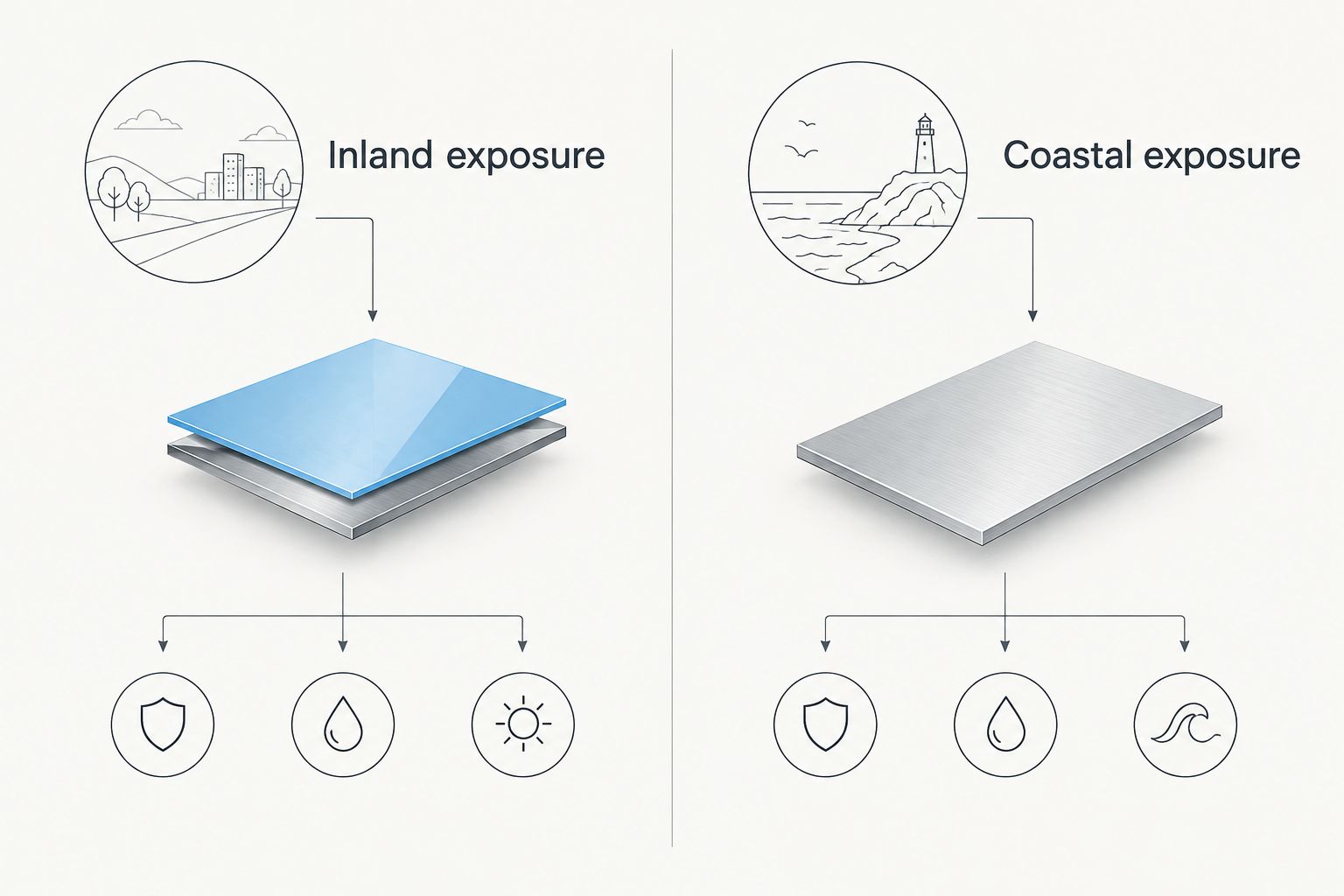
Start with the property's exposure, then decide how the roof should look and drain. For an inland house, compare the coated-steel options using matching assembly details. For a coastal house, put aluminum on the shortlist and ask how every adjoining component addresses the same exposure.
Then look at the roof's geometry. Ask the contractor to show how the chosen panel profile deals with each valley, penetration and change in roof plane. A material ranking does not replace that drawing or written scope. The related guide to metal building roof styles for Texas weather covers a different decision: roof form rather than the panel substrate ranked here.
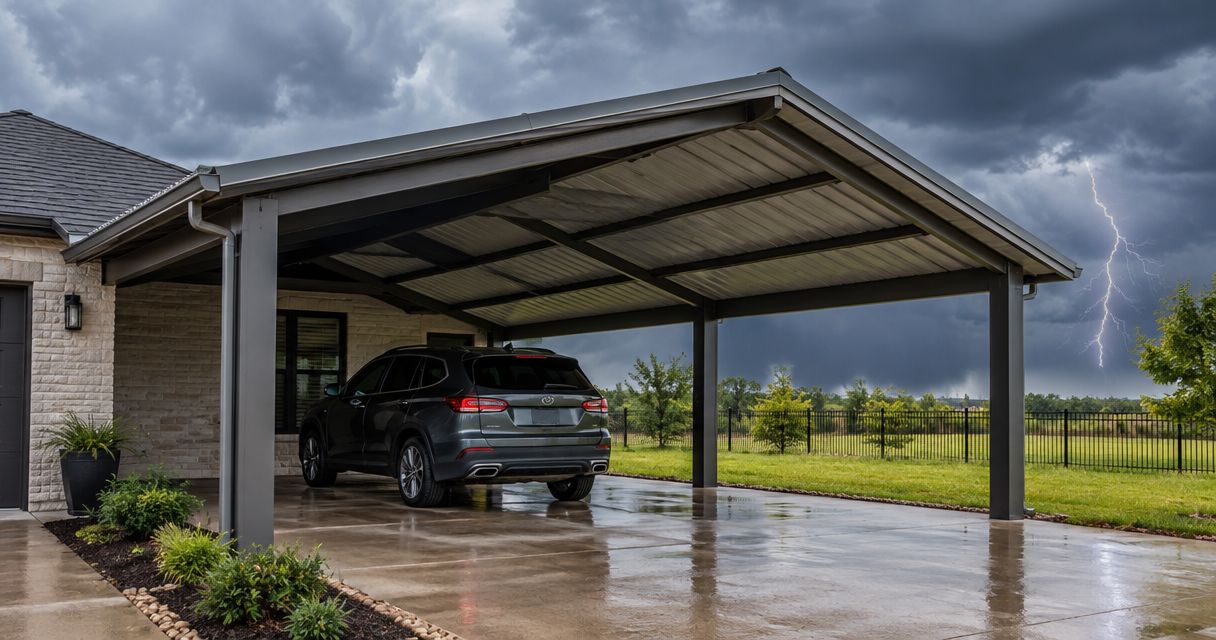
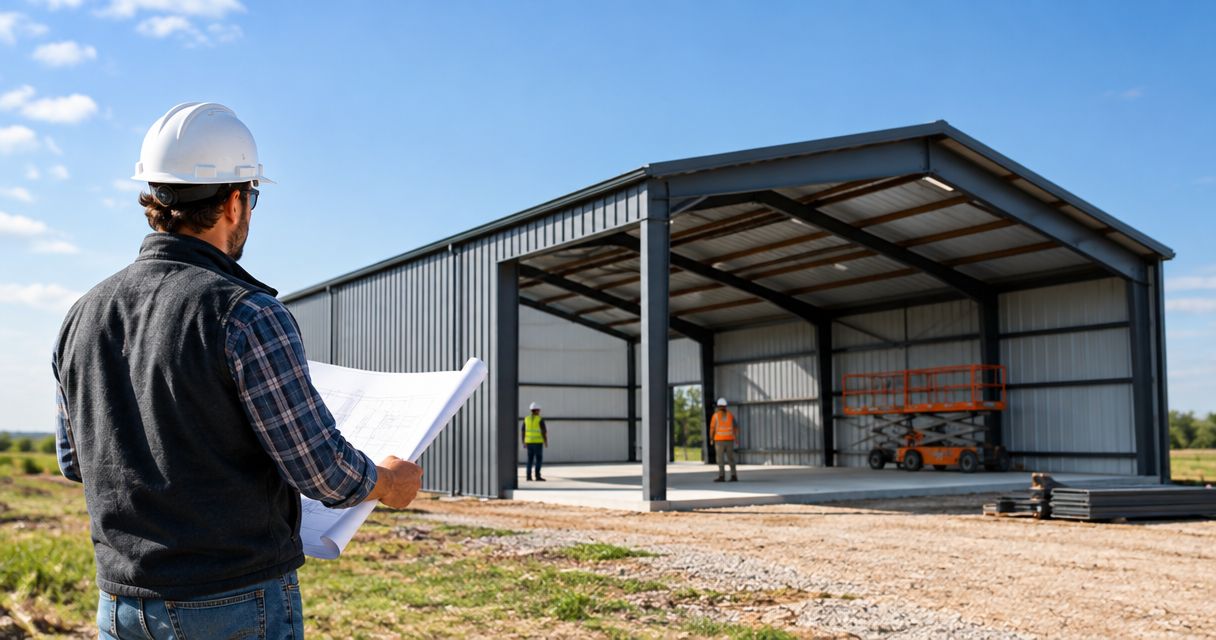
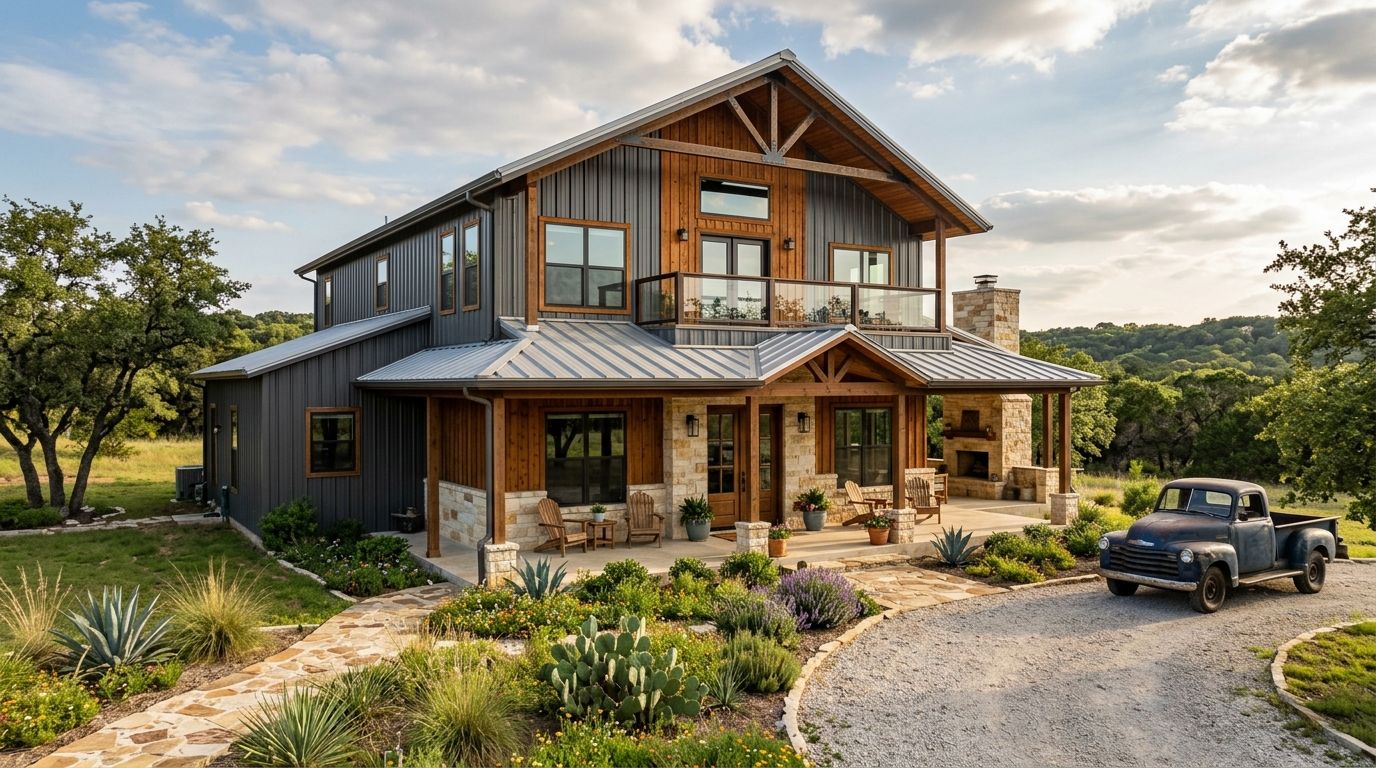
This distinction also helps when a house sits beside a carport, garage or barndominium. Matching appearances does not require you to assume the structures have identical roof conditions. Compare each roof's exposure, geometry and specified assembly on its own terms before asking whether the finishes should match.
How we ranked these materials
The ranking follows the criteria above: exposure fit first, then the ability to specify the panel and its protective finish, followed by component compatibility and roof detailing. Painted aluminum-zinc-coated steel leads as the inland default. Aluminum moves ahead when coastal salt air is the deciding condition; galvanized steel earns its place through a suitable budget-led quote, while copper serves a specific appearance goal.
This is a material ranking, not a claim that one metal wins on every roof. The strongest 2026 recommendation is the one that survives a site-specific check and appears in a complete written proposal. If a contractor recommends a different order for your house, ask which site condition changes the ranking and where the proposal addresses it.
Which metal roofing material should you choose?
Choose painted aluminum-zinc-coated steel for an inland Texas home unless the property's exposure or design calls for a different material. Choose painted aluminum when coastal salt air drives the decision. Consider galvanized steel when a like-for-like installed proposal makes it the suitable budget choice; choose copper only when its changing appearance is the point.
Before accepting a 2026 proposal, ask for the substrate, gauge where applicable, protective coating, paint system, panel profile, fasteners and flashing scope. For steel comparisons, keep the 24-gauge, 26-gauge and 29-gauge designations attached to their actual panel specifications rather than treating gauge as a substitute for a complete quote.
Texas Metal Structures handles roofing and insurance-claim work for residential and commercial customers in Texas. If you are discussing a roof through Texas Metal Structures, bring the same material and assembly questions to that conversation. A named material is the beginning of a roof decision, not the finished specification.
FAQ
What is the best metal roofing material for an inland Texas home in 2026?
Painted aluminum-zinc-coated steel is the default pick for an inland Texas home in this 2026 ranking. Confirm the coating, panel profile, fasteners and flashing in the written proposal before choosing it.
What metal roof material suits a Texas coastal home?
Painted aluminum is the coastal pick because its substrate does not form iron rust. The complete roof still needs fasteners, trim and flashing suited to coastal exposure.
Is aluminum better than steel for every Texas roof?
No. Aluminum earns the coastal slot, while painted aluminum-zinc-coated steel is the inland default. Compare the complete assemblies against your property's exposure.
Is standing seam a metal roofing material?
No. Standing seam describes a panel and seam arrangement, not the underlying metal. Ask which substrate and protective finish the proposed standing-seam roof uses.
What is the difference between galvanized and aluminum-zinc-coated steel?
Galvanized steel has a zinc protective coating; aluminum-zinc-coated steel uses an aluminum-zinc coating. Check the specified coating and paint rather than judging either panel by its color.
Does a lower steel-panel gauge number mean a thicker panel?
Yes, when comparing steel panels under the same gauge specification, a lower gauge number denotes thicker metal. Gauge does not tell you the coating, profile or installation scope.
Should I choose copper for a Texas home?
Choose copper when you want its changing patina and the roof details account for runoff and adjoining metals. Skip it if your goal is a uniform painted-metal appearance.
One last thing
A painted sample cannot reveal whether the panel underneath is galvanized steel, aluminum-zinc-coated steel or aluminum. In 2026, request the substrate and finish in writing before approving a color. That single step makes the proposals easier to compare and exposes a material mismatch before it becomes a roof installation.